


buy nissan warranty with clear expectations

I stood near the service lane as a technician explained a repair estimate; the owner listened, then quietly asked whether it would have been covered if they'd decided to buy nissan warranty last month. The pause that followed told the whole story - priority and timing shape confidence.

What to expect before you sign

Extended coverage should clarify, not complicate. Look for specifics and ask to see a sample contract - no summaries, the real thing.

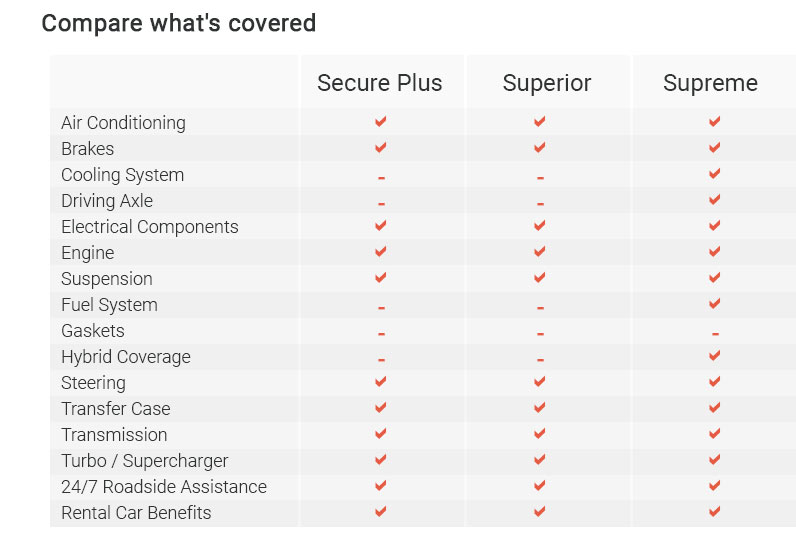
  • Coverage scope: Which components are named, and is it exclusionary or listed-parts coverage?
  • Limits and caps: Per-visit, per-component, or total payout ceilings; labor rate caps; diagnostic coverage rules.
  • Deductible options: Per visit vs per repair - this changes math on multi-item visits.
  • Eligibility and timing: Mileage/age cutoffs, waiting periods, inspection requirements.
  • Repair network: Dealer-only, approved networks, or any ASE shop; use of Nissan OEM parts when available.
  • Extras: Roadside, rental, trip interruption, fluids and taxes; small line items that matter on stressful days.
  • Contract logistics: Transfer rules, cancellation window, state-specific refunds, and claim steps.

It isn't urgent because your vehicle already carries factory coverage. Actually, timing can matter if you want day-one extended coverage with no inspection or to avoid a gap between warranties.

Types of protection you may encounter

  • Factory limited warranty: Baseline coverage varies by market; in the U.S., it's commonly around 3 years/36,000 miles for basic and about 5 years/60,000 miles for powertrain. Verify your VIN specifics.
  • Certified pre-owned add-ons: Often extend powertrain and may include roadside support; read what's included vs optional.
  • Manufacturer-backed extended plans: Sold through dealers; tiers can range from powertrain to near-bumper-to-bumper.
  • Third-party service contracts: Broader shop choice at times, but verify financial backing, claims reputation, and parts policy.

Priority checks (do these first)

  1. Request VIN-based quotes for identical mileage/term from both a Nissan dealer and a well-rated third-party.
  2. Compare coverage level-to-level, not price-to-price: components, caps, labor rates, and deductible structure.
  3. Read the sample contract end-to-end; circle exclusions like wear-and-tear, maintenance items, trim, glass, and corrosion.
  4. Ask for a claims walkthrough: where to call, who authorizes, and typical turnaround time.
  5. Model your total cost of ownership: price + deductible + likely repairs for your engine/transmission generation.

The goal isn't a perfect prediction - just enough clarity to prioritize protection and move forward with confidence.

Price and value signals

Quotes can shift with mileage bands and dealership discretion. A slightly higher price can still be better value if caps and labor rates are stronger.

  • Vehicle factors: Turbocharging, CVT/automatic types, tech packages, and driving profile (city vs highway).
  • Term choices: Longer terms add cost but sometimes lower cost per covered mile.
  • Deductible trade-offs: Lower deductible, higher premium; choose based on expected visit frequency.
  • Promotions and refunds: State rules vary; understand pro-rated refunds before you sign.

A short example

At a Portland dealership, a couple with a mid-mileage Nissan opted for a plan with a $100 per-visit deductible after confirming the transmission and infotainment units were listed components. They didn't buy the longest term - oddly, the mid-tier term aligned better with their expected ownership window. One month later, a minor electrical issue came up; the process was uneventful, and yes, the deductible applied once for the entire ticket.

Common mistakes to avoid

  • Assuming wear-and-tear or maintenance (brakes, tires, fluids) is covered - usually not.
  • Overlooking labor rate caps and diagnostic time - small print that becomes big money.
  • Missing the start trigger: in-service date vs purchase date can shift real coverage length.
  • Forgetting transfer steps when selling; some value may be left on the table without paperwork.

Simple next steps

  1. Gather VIN, current mileage, and in-service date; confirm existing warranty status.
  2. Shortlist two manufacturer-backed options and one reputable third-party with strong financial backing.
  3. Request sample contracts and highlight exclusions and caps.
  4. Run a quick scenario: one large repair + one small repair within your chosen term.
  5. Sleep on it, set your priority, then buy only when confidence feels earned - not rushed.

You're not chasing perfection here; you're choosing steady, predictable support. If you decide to buy nissan warranty, let the contract language - not the brochure - be your final guide.

https://www.autocentersnissan.com/warranty/?srsltid=AfmBOop70g6BiZH2kC3XdDaTl4DYuPAMGva-WJoEgAWIRmKmAmdcMhE4
Almost every Nissan including yours comes with a 3-year/36,000 mile limited warranty. It includes repairs for defects in materials or workmanship, ensuring ...

https://www.autonationnissanpembrokepines.com/warranty.htm
Your new Nissan vehicle is also covered by a 5 year and unlimited mileage corrosion warranty, and a 10 year and unlimited mileage seat belt warranty. Some ...

https://www.reddit.com/r/Nissan/comments/1aymta1/went_to_buy_a_nissan_certified_vehicle_but_had_to/
I thought with Nissan certified pre-owned the power train warranty was included in the cash price or is the warranty an extra $599?


atwratnwm
4.9 stars -1378 reviews